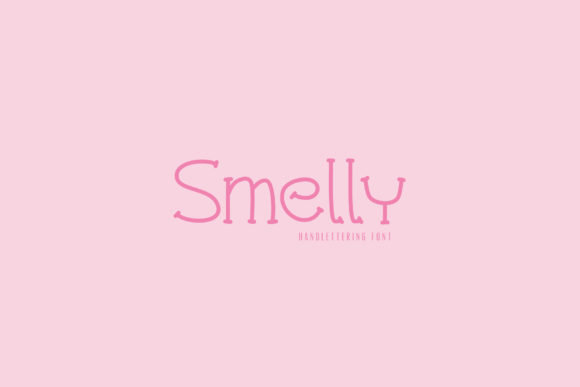
Smelly Font: A Sweet and Friendly Script for Web Design
As a web designer or digital product creator, choosing the right font is crucial for setting the tone of your design. Smelly, a script handwritten font, brings warmth and approachability to any project. Its natural, handcrafted style makes it ideal for designers who want to infuse personality into their layouts without compromising on visual appeal.
Smelly in Hero Sections and Brand-Focused Landing Pages
When you need a handwritten font that commands attention while maintaining charm, Smelly shines. It works exceptionally well in hero sections where first impressions matter most. The fluidity and softness of its strokes create an inviting atmosphere, perfect for lifestyle brands, wellness platforms, or creative agencies aiming to convey friendliness and authenticity.
In landing pages, especially those with conversion-focused goals, Smelly can be used sparingly to highlight key messages like taglines or value propositions. Pairing it with a clean sans serif body font ensures readability while letting the brand’s voice come through naturally.
Smelly for Creative Portfolios and Personal Websites
Web designers often use script fonts to reflect their personal style or creative philosophy. Smelly fits this niche perfectly. Its sweet and friendly character adds a touch of individuality to portfolios, making them stand out in a sea of generic designs. Use it for section headers or your signature line — it feels both professional and personable.
On personal websites or artist profiles, Smelly helps establish a warm, human connection with visitors. Whether you're showcasing illustrations, photography, or digital art, this typeface enhances the overall experience by reinforcing a sense of creativity and craftsmanship.
Smelly in Logo Design and Branded Content
Smelly is more than just a script handwritten font — it's a branding tool. For startups and small businesses looking to build a distinct identity, using Smelly in logo text or branded content gives off a modern yet nostalgic vibe. It's particularly effective for boutique shops, cafés, or lifestyle brands that prioritize emotional appeal over formal typography.
The unique flow of Smelly allows it to be easily recognized as part of a brand kit. From website headers to social media graphics, it maintains consistency across platforms. Just ensure you’re using it at appropriate sizes and spacing to keep legibility intact.
Smelly for Course Pages and Educational Platforms
If you're designing a course page or educational platform focused on creativity, self-expression, or mindfulness, Smelly can enhance the learning experience. Its handwriting-like quality feels less rigid and more engaging, encouraging users to connect with the material on a personal level.
Use Smelly for titles of modules, testimonials, or motivational quotes. But avoid using it for dense paragraphs or instructional text — save it for decorative accents and short, impactful phrases.
Smelly in Online Shop Banners and Product Headers
E-commerce sites benefit from the right mix of display and body fonts. Smelly excels in banner headlines and product headers where a more expressive typeface can add visual interest. Think about how it could work on seasonal promotions, new arrivals, or curated collections — it brings a personal touch that resonates with shoppers.
However, when using Smelly in online shop banners, keep contrast in mind. Lighter weights may struggle on busy backgrounds, so consider pairing it with solid colors or subtle gradients. Always test it on mobile screens too; while beautiful, some handwritten fonts lose clarity at smaller sizes.
Smelly for Blog Headers and Content Sections
Bloggers and content creators love Smelly for its ability to add flair to headers and subheadings. It’s especially useful in niches like food blogs, travel journals, or lifestyle content where a more personal tone is desired. Using Smelly can help break up long blocks of text and guide readers through different content sections with ease.
For better visual hierarchy, pair Smelly with a minimalist sans serif font in the body copy. This combination supports scanning behavior while keeping the reader engaged with a friendly aesthetic.
Font Pairing Tips with Smelly
Pairing Smelly effectively depends on the message you want to convey. If your brand leans casual and approachable, try combining it with a simple sans serif like Montserrat or Lato. These Fonts offer excellent readability and balance out the decorative nature of Smelly.
For a more editorial feel, such as in newsletters or blog templates, you might pair Smelly with a serif font like Merriweather or Playfair Display. This creates a nice contrast between the script’s playfulness and the serif’s sophistication, enhancing the perceived professionalism of the layout.
Always check if Smelly includes alternates or ligatures that allow for even more stylistic flexibility. Some versions of Script Handwritten fonts come with multiple styles, giving you options for varying the tone depending on the context.
Smelly for Dark Backgrounds and Image Overlays
Working with dark mode interfaces or image-heavy designs? Smelly adapts well with the right color treatment. On dark backgrounds, opt for lighter weights or apply a subtle stroke effect to maintain visibility. When overlaying text on images, ensure there's enough contrast and padding around the text to prevent it from blending in.
Responsive web design also benefits from Smelly. At larger sizes, it reads beautifully and adds character. But for small buttons or navigation menus, it's best to switch to a more structured font. Smelly should be reserved for display purposes where its charm can truly shine.
Smelly in Social Media Graphics and Digital Ads
Social media marketing thrives on visual storytelling, and Smelly is a great asset in that space. Whether you're creating Instagram posts, Facebook ads, or Pinterest visuals, this script handwritten font helps your message feel more authentic and relatable.
Use Smelly for short captions, quote cards, or promotional headers. Its friendly tone aligns well with influencer marketing, coaching services, and creative communities. Just remember to optimize for screen size and legibility — no one wants to squint at a beautifully written headline.
Smelly for Multilingual Projects and International Brands
Depending on the version you choose, Smelly may support a range of languages, which is essential for global projects. Before implementing it on multilingual websites or international landing pages, confirm that it includes the necessary characters and glyphs. Many premium Fonts now come with extended language support, but always double-check before finalizing your design assets.
Commercial Use and Licensing Considerations
Before downloading Smelly, ensure the licensing terms cover your intended use. Commercial font licenses are vital for websites, client projects, and SaaS products. If you plan to embed Smelly on a live site or include it in digital templates, make sure the license permits webfont embedding and redistribution.
Also consider whether you need desktop, web, or app-specific licenses. For digital-first creators, having access to all file formats (OTF, TTF, WOFF) is important. Some font providers also offer tools for generating CSS code or integrating Fonts directly into design software, streamlining the implementation process.
Smelly for Brand Identity and Visual Consistency
A strong brand identity relies on consistent typography across all touchpoints. Smelly offers the perfect blend of uniqueness and usability for building a cohesive visual system. From website headers to email signatures, using the same script handwritten font reinforces brand recognition and builds trust with your audience.
Consider including Smelly in your brand guidelines as a primary or secondary display font. It pairs well with geometric or rounded sans serifs, helping you maintain a balanced look while still standing out visually.
Smelly for UI Elements and Micro-Interactions
In user interface design, micro-interactions like button hover states, form labels, or toast notifications need to be clear and concise. While Smelly isn’t recommended for these areas due to its cursive nature, it can be used creatively in UI elements such as feature highlights, pricing badges, or call-to-action tags.
For instance, a “Limited Edition” badge styled with Smelly can draw attention without being distracting. The key is to use it in ways that don’t hinder functionality but instead elevate the user experience with subtle design choices.
Smelly in App Screens and Mobile-Friendly Layouts
App designers often face tight constraints on screen space and readability. Smelly can be a powerful accent font for onboarding screens, feature highlights, or interactive prompts. Its organic feel makes it ideal for apps targeting creative audiences, wellness communities, or lifestyle services.
To optimize for mobile use, limit the amount of text displayed in Smelly and always provide fallback fonts. Ensure the font loads efficiently, especially if you're using it in critical UI components. Responsive font sizing and adaptive spacing will help maintain clarity across devices.
Why Choose Smelly for Your Next Project
Smelly stands out among other Fonts because of its balance between expressiveness and usability. Unlike overly ornate scripts, Smelly maintains a level of simplicity that keeps it readable in most contexts. It’s not just another script handwritten font — it’s a versatile design element that supports both aesthetics and function.
Its sweet and friendly nature makes it suitable for a wide array of digital applications. Whether you're crafting a branded landing page, designing a portfolio, or building an e-commerce store, Smelly can bring a fresh perspective to your typographic toolkit.
Final Implementation Best Practices
- Use Smelly for headers, logos, and short phrases rather than long-form text.
- Ensure proper kerning and letter spacing for optimal readability, especially at smaller sizes.
- Check the included weights and file formats before finalizing your design.
- Test Smelly on both light and dark backgrounds for maximum impact.
- Confirm commercial usage rights if applying it to client projects or revenue-generating sites.
By understanding the strengths and limitations of Smelly, you can use it strategically to enhance your web design, boost user engagement, and reinforce your brand’s tone and identity. Let your imagination take the lead — after all, the only limit is your own creativity.