Pillow Talking Font for a Polished Brand Look
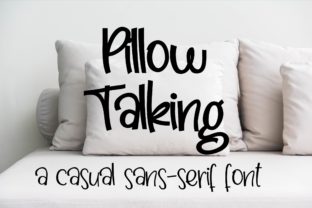
It was a Monday morning, and I had just landed my first big order from a boutique that wanted to refresh their product tags. As I sat at my desk reviewing the design mockups, it became clear: the font choice could make or break how the brand felt to customers. That’s when I discovered Pillow Talking, a boldly hand-written sans serif with a casual feel. It wasn’t just another script handwritten font — it had personality, charm, and the kind of visual warmth that can help a small business stand out in a crowded market.
Pillow Talking on Product Labels for Handmade Brands
I’ve used Pillow Talking across several packaging projects since then, and one standout case was for a local candle seller who wanted to redesign her labels. She was moving away from generic fonts toward something more unique that reflected the care and craft behind her products. Pillow Talking fit perfectly. Its bold strokes and slightly irregular letterforms gave the label a human touch without being too playful or hard to read. The Regular version worked well for the main title, while the Lite version added a softer contrast for taglines and ingredient lists.
The key here is balance. A handwritten font can sometimes be too loose for printed materials, but Pillow Talking walks the line between creativity and clarity. When applied to product labels, it helped the candles feel artisanal yet professional. Her clients noticed the difference — the new look felt cohesive and intentional, which is exactly what handmade brands need to build trust and recognition.
Using Pillow Talking for Café Menus and Casual Elegance
A few weeks later, I got a request from a café owner looking to update her menu board. The vibe of the place was cozy and modern, so she needed a font that could blend both aesthetics. After trying a few options, we settled on Pillow Talking. The Regular weight brought a friendly energy to the headings, while the Lite version softened the body text without losing legibility. It wasn’t just about making the menu look good — it was about ensuring that customers could easily read the names of dishes and specials during busy hours.
What I appreciated most was how Pillow Talking added a sense of authenticity to the café’s branding. Unlike overly stylized script fonts, it didn’t sacrifice readability for style. It’s a rare find in the world of handwritten fonts — one that feels like it was crafted by a real person but still works in a commercial setting. This subtle detail made all the difference in how patrons perceived the café as warm, inviting, and thoughtfully designed.
How Pillow Talking Elevates Social Media Graphics
One of the biggest challenges for small businesses is maintaining a consistent brand identity across digital platforms. For an online shop selling custom greeting cards, Pillow Talking became the cornerstone of their Instagram templates. The Regular version was perfect for eye-catching headlines, while the Lite version allowed for more delicate accents and captions. Using this Script Handwritten font across their social media created a signature look that fans began to recognize instantly.
What really stood out was how Pillow Talking translated across different screen sizes. Whether viewed on mobile thumbnails or full-screen posts, the font remained readable and stylish. It’s not always easy to find a font that works both digitally and in print, but Pillow Talking handles both with ease. By using this font consistently, the shop saw more engagement and a stronger sense of brand familiarity among their followers.
Pillow Talking for Business Cards and Thank-You Notes
Business cards are often the first point of contact between a brand and its audience. I once helped a wellness coach redesign hers, and we went with Pillow Talking for the name and tagline. The result was a card that felt approachable but still professional. The bold, hand-written nature of the font added a personal touch, reinforcing the idea that the service is rooted in connection and care.
We also used Pillow Talking for thank-you cards the same client sent to her clients. These weren’t mass-produced notes; they were meant to feel genuine and heartfelt. The font’s natural flow and character variations made each card feel unique, even though they were printed in bulk. In customer-facing materials like these, a handwritten typeface can add a layer of sincerity that other fonts simply can’t replicate.
Pairing Pillow Talking with Complementary Fonts
When working with any font, especially one as expressive as Pillow Talking, pairing it with the right companion is essential. In editorial design, for example, I paired the Regular weight with a clean sans serif for body text, allowing the headline to pop while keeping the rest of the content easy to digest. For more elegant designs, like luxury skincare packaging, I matched the Lite version with a refined serif font to create a soft contrast between the decorative and the functional.
If you're using Pillow Talking for logo design or display text, consider balancing it with a minimalist typeface for supporting copy. The goal is to let the font shine where it matters most while ensuring everything else remains legible and harmonious. Always check the included styles and file formats before finalizing your font pairing — having multiple weights and styles within the family can open up creative possibilities without compromising consistency.
Pillow Talking for Online Shop Banners and Visual Consistency
Another project involved helping a boutique revamp their website banners. They wanted something that felt modern but still had a handmade quality to reflect their curated selection of vintage and artisan goods. Pillow Talking became the hero of their banner designs. The Regular version was used for sale announcements and collection titles, while the Lite version provided a lighter tone for descriptions and call-to-action phrases.
By integrating Pillow Talking into their web design, the boutique achieved a unified brand identity. The same font appeared in email headers, social media ads, and even printed receipts, reinforcing their visual language wherever customers interacted with them. This kind of consistency isn’t just nice to have — it’s critical for building brand recognition and trust. And with a Script Handwritten font like Pillow Talking, they managed to do it without feeling outdated or gimmicky.
Tips for Readability with Pillow Talking
While Pillow Talking brings charm and character, it's important to use it wisely to maintain readability. Here are a few tips I’ve learned from real-world applications:
- For small labels: Stick to the Regular weight. It has enough density to remain visible at smaller sizes.
- On mobile screens: Use larger text sizes and avoid overusing ligatures or alternates that might become unclear.
- In printed packaging: Test the font in real size and color conditions to ensure it doesn’t lose clarity in low resolution.
- For social media thumbnails: Keep the message short and impactful — Pillow Talking shines in headlines and short phrases.
- When designing shop visuals: Balance the font with solid colors or high-contrast backgrounds to enhance legibility.
These adjustments may seem minor, but they significantly affect how customers receive the information. A font is more than just letters — it’s part of the brand voice and experience.
Why Pillow Talking Works for Brand Identity Projects
Small businesses often start with a strong concept but lack the visual tools to bring it to life. Pillow Talking offers a way to inject personality into every design element — from logos to flyers, from stickers to product mockups. Its two versions, Regular and Lite, allow for flexibility in tone and hierarchy, which is invaluable when building a brand that needs to communicate both warmth and professionalism.
As a creative consultant, I recommend checking the multilingual support and commercial font licensing before using Pillow Talking for client work. You don’t want to run into issues later when scaling production or expanding your reach. But assuming those boxes are checked, Pillow Talking is a versatile font that can elevate almost any branding material — especially when used with intention and awareness of context.
Pillow Talking in Digital Ads and Display Text
Recently, I worked with a beauty brand launching a new line of bath bombs. They wanted their digital ads to feel whimsical yet trustworthy. We used Pillow Talking for the main headline, and it worked wonders. The bold, hand-written style gave the ad a fun and creative edge, while the font’s structure ensured it wouldn’t distort or pixelate on different devices.
Display text is where Pillow Talking truly shines. It adds a decorative accent without overwhelming the viewer. Whether it’s a call-to-action button, a seasonal promotion, or a product feature highlight, the font helps guide the eye naturally and keeps the message engaging. It’s not just about looking pretty — it’s about creating a memorable impression that aligns with the brand’s values and voice.
Making Your Brand Feel More Human with Pillow Talking
There’s something about a handwritten font that makes a brand feel more personal. Pillow Talking takes that a step further with its structured sans serif base, giving it the best of both worlds. It’s not messy or difficult to read, but it still carries the essence of a hand-drawn typeface. That duality is powerful for small businesses trying to connect with customers on a deeper level.
From bakery box titles to boutique tags and café menus, Pillow Talking has proven itself time and again. It’s a premium font that doesn’t scream “designer,” but instead whispers “real, crafted, and authentic.” If you’re looking for a Script Handwritten font that can anchor your brand identity and scale across materials, Pillow Talking is a smart investment. Just remember to test it in real-life scenarios and pair it with complementary fonts to keep your designs balanced and beautiful.